


Choosing the Right Hardwood for Your Home
Hardwood flooring is a durable, long-term asset for your home, but picking the right type means looking at how it handles daily traffic. Real wood naturally reacts to changes in temperature and humidity, making the build of the plank a vital detail for California homes. You will find these products in two distinct categories: solid and engineered hardwood.
Solid hardwood is cut from a single piece of timber and gives you the ability to sand it down and refinish it multiple times over the years. Engineered hardwood uses a real wood top layer bonded over stable, high-density backing layers that resist shifting in damp environments. Whichever construction you choose, avoiding common habits that damage your hardwood floors ensures your finish stays clean and free of deep scratches from daily foot traffic.
The lifespan of your hardwood depends heavily on the wood species and the factory finish you choose. Harder woods like hickory and oak offer much better scratch resistance if you have pets or a busy household, while woods like maple offer a smoother, more uniform grain pattern but are slightly softer. Shopping for your home is all about balancing these durability factors with your normal cleaning routine. Visit our showrooms to see our hardwood samples in person or browse our online inventory to check the performance details of our collections.
Finding the Right Hardwood Species for Your Home
The natural grain and character of hardwood complements almost any architectural style. Hardwood floors offer distinct physical traits depending on the species you select. Standard domestic options like oak, walnut, and maple provide reliable stability and distinct grain patterns that fit traditional or modern rooms. If you want a denser wood with deep, striking color variations, exotic options like Brazilian cherry and tigerwood bring a unique look to your space.
Your choice of wood species determines how well your floors handle daily foot traffic and furniture weight. Beyond the species itself, the physical dimension of the wood plays a major role in the stability of the installation. For example, selecting wide or narrow planks changes how the wood expands and contracts in our local climate while setting the visual scale of your rooms.
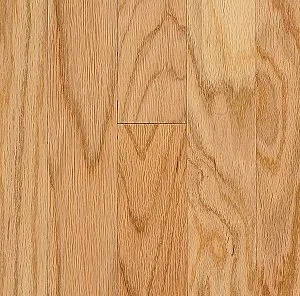
TRADITIONAL
A completely smooth, flat surface that shows the true depth of the wood grain, but it will highlight dust and minor surface scratches more easily than textured options.
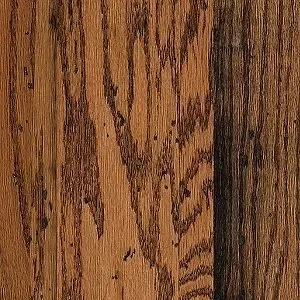
DISTRESSED
Wire-brushed and scraped to create intentional texture, making this finish excellent for high-traffic areas because it naturally hides scratches, dents, and tracking.
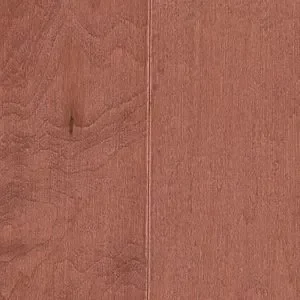
COLOR WASHED
Stained with pigments that sink into the wood grain, which minimizes the look of fading caused by direct sunlight through large home windows.
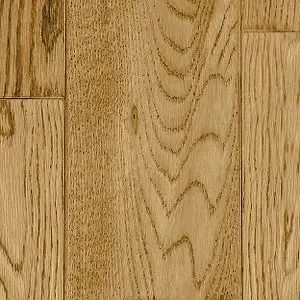
HANDSCRAPED
Crafted with deep, contoured variations that mask subfloor imperfections and shrug off minor dents from dropped household items.