


Matching Tile Types to Your Space
All tile is built to last. But the material you choose will depend on your personal design style, room usage, and your lifestyle. Looking at these four options helps you find the right balance for your home.
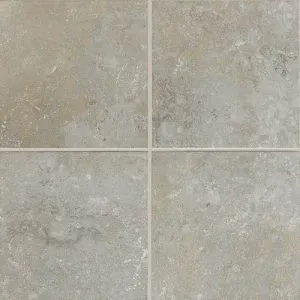
CERAMIC
Ceramic tile gives you a lightweight, highly versatile material that is perfect for vertical spaces and walls. You can use ceramic when you want to design a custom kitchen backsplash, a vibrant accent feature, or a beautifully styled guest bath where heavy foot traffic isn't a factor.
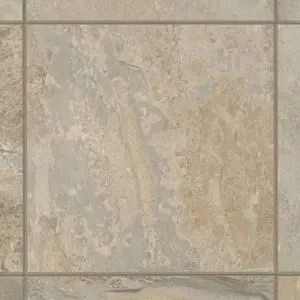
GLAZED PORCELAIN
Glazed porcelain tile gives you an ultra-dense, water-resistant surface that stands up to heavy daily foot traffic without scratching. Porcelain works best on your busiest floors—like active family kitchens, main entryways, and bathrooms—where you need a surface that is incredibly easy to clean.
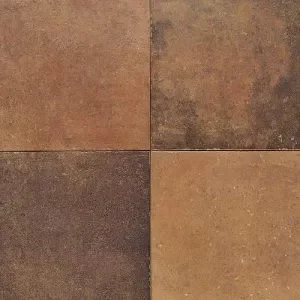
THROUGH-BODY PORCELAIN
With through-body porcelain, the color goes through the tile from top to bottom instead of sitting just on the surface. It performs well in high-impact areas where kids or pets might drop heavy items, because any accidental nick remains virtually invisible when the inside matches the top face perfectly.
QUARRY TILE
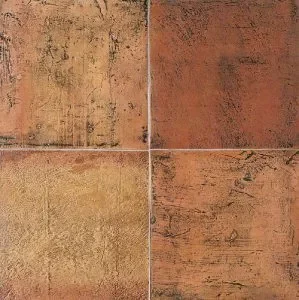
Quarry tile gives you raw durability and maximum traction. Thick tile like quarry or raw stone is the ideal choice for outdoor patios, mudrooms, and work areas where you need a tough surface that stays safe underfoot when wet and handles the local climate perfectly.
Understanding Tile Durability and Safety Ratings
When you walk through our showrooms, you will see technical ratings listed on every sample card. Our family-owned team is always ready to help you read these numbers so you know exactly how a material will hold up long before your installation day.
Understanding PEI Wear Classes
The Porcelain Enamel Institute (PEI) rating tells you exactly how much surface friction a tile's glaze can handle before it shows wear. For wall-only installations like a shower surround or a kitchen backsplash, a lower PEI class works perfectly. But for common living areas and busy hallways that deal with fine Bakersfield valley dust or tracked-in sand, sticking to a higher class ensures your floors resist dulling and scratching over decades of daily use.
Water Absorption and Room Placement
A tile's water absorption rate directly impacts its stain defense and how it handles moisture. True porcelain must meet strict testing guidelines, absorbing less than half a percent of its weight in water, which makes it completely impervious. Density like this keeps moisture from seeping deep into the tile body, preventing cracks during cold desert nights and blocking mold or mildew growth on damp bathroom walls. Protecting this moisture barrier completely means pairing your dense tile with a properly sealed and maintained grout joint.
Slip Resistance and Safety
Every tile is tested for its Dynamic Coefficient of Friction (DCOF), which measures how slip-resistant the surface is when wet. For interior levels that stay dry, standard ratings are fine, but spaces prone to standing water need extra grip. Choosing a tile with an elevated rating provides the traction you need to keep high-moisture spaces like walk-in showers, mudrooms, and pool surrounds safe for your family.